
Understanding Topographical Surveys: What They Are and Why You Need Them
In the ever-evolving landscape of construction and land development, the importance of accurate land measurement cannot be overstated. Topographical surveys are critical tools that provide detailed representations of land features, both natural and artificial. For projects ranging from residential builds to large commercial developments in the UK, understanding topographical surveys is essential for ensuring compliance with local regulations and minimizing risks during construction. A comprehensive survey reveals the nuances of the land, allowing for informed decision-making from the outset. When exploring options, Topographical surveys Surrey and Sussex provide comprehensive insights into the unique requirements of your specific site.
What is a Topographical Survey?
A topographical survey is a precise, scale-based representation of the significant natural and man-made features of a parcel of land. This type of survey not only outlines the physical boundaries and dimensions but also captures details such as elevation changes, contours, and existing structures including roads, buildings, and trees. By mapping these features accurately, topographical surveys enable architects, engineers, and planners to develop designs that are both functional and compliant with local landscape conditions.
Importance of Topographical Surveys in Planning
Accurate topographical surveys are indispensable in the planning stages of any construction project. They facilitate better planning and design by providing essential data about the land’s characteristics. This information is vital for determining the feasibility of proposed projects and ensuring that infrastructure aligns with the existing topography. Surveys help identify potential challenges such as flood zones, unstable ground, and natural barriers that might affect development plans.
Common Applications of Topographical Surveys
Topographical surveys have a broad range of applications across various sectors including:
- Residential and commercial building projects
- Infrastructure development such as roads and bridges
- Environmental assessments and land use planning
- Land transactions and property boundary disputes
- Urban development and landscaping projects
Each application requires specific data from the survey, tailored to meet the project’s unique needs.
The Process of Conducting Accurate Topographical Surveys
Conducting a topographical survey involves a structured approach to ensure precision and reliability in the data collected. Understanding this process can help stakeholders make informed decisions and prepare effectively for the challenges that lie ahead.
Essential Surveying Equipment Used in the UK
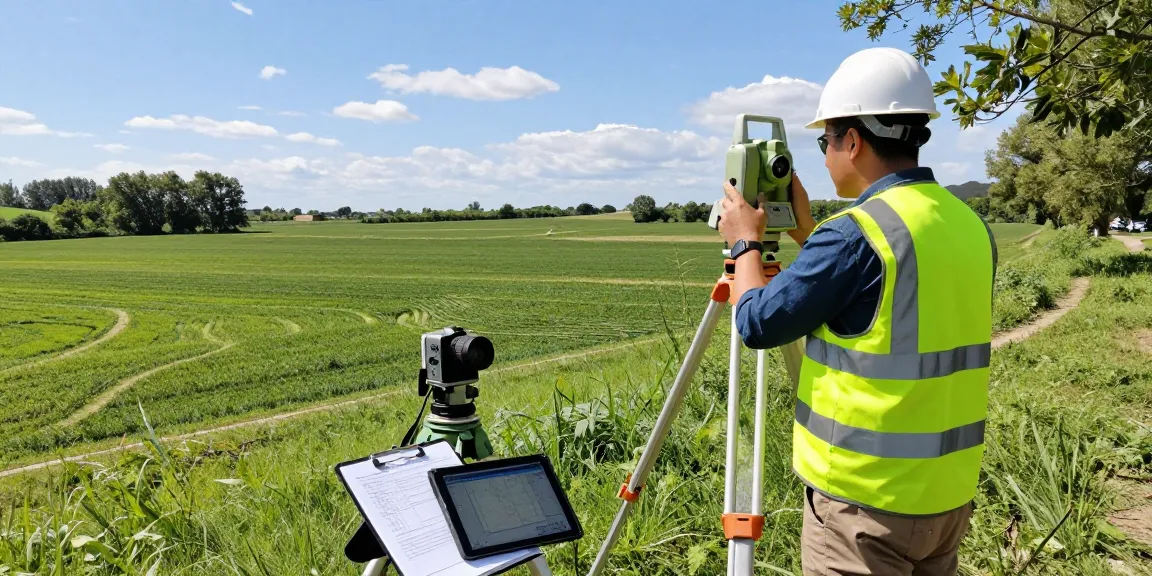
Modern topographical surveys leverage advanced technology and equipment to ensure accuracy and efficiency. The essential tools include:
- Total Station Instruments: These devices combine a theodolite and EDM technology for precise angle and distance measurements.
- GPS Surveying Equipment (GNSS): Utilised for accurate point positioning, especially beneficial in large or rural environments.
- 3D Laser Scanners (LiDAR): Capture millions of data points per second, creating detailed 3D models of complex terrains.
- Unmanned Aerial Vehicles (Drones): Ideal for surveying hard-to-reach areas from the air, especially in densely populated urban settings.
- Digital Level Instruments: Used to measure vertical height changes and ensure accuracy in elevation data.
Steps Involved in Conducting a Topographical Survey
The process typically involves the following steps:
- Conducting a preliminary site visit to assess the area and gather initial data.
- Setting up the necessary equipment on-site.
- Collecting data through various methods (e.g., ground surveys, drone surveys).
- Processing and analysing the data to create accurate maps and reports.
- Delivering the final output in the required format for further use.
Best Practices for Maximising Accuracy
To achieve high accuracy in topographical surveys, consider the following best practices:
- Use the latest surveying technology and methods.
- Regularly calibrate equipment to maintain precision.
- Engage experienced surveyors who understand local regulations and environmental conditions.
- Conduct thorough site evaluations before beginning the survey.
Planning Applications: The Role of Topographical Surveys
Topographical surveys often play a pivotal role in the planning application process, influencing outcomes significantly.
Local Authority Requirements in Surrey and Sussex
In regions such as Surrey and Sussex, local authorities frequently mandate the inclusion of a topographical survey with planning applications. This requirement ensures that developers adhere to regulations set to protect the environment and local communities.
How Surveys Support Planning Applications
Topographical surveys provide critical data that support the planning application process by:
- Demonstrating how proposed developments fit within the existing landscape.
- Highlighting potential environmental impacts and challenges.
- Providing crucial information for community consultations and stakeholder engagement.
Case Studies: Successful Projects with Accurate Surveys
Numerous successful projects illustrate the advantages of accurate topographical surveys. For example, a recent residential development in Surrey benefited from early identification of flood risk zones, leading to design modifications that significantly enhanced the overall safety and viability of the project. Such cases underline the necessity of reliable survey data in achieving successful outcomes.
Cost Factors for Topographical Surveys in the UK
Understanding the costs associated with topographical surveys is vital for project budgeting and financial planning.
Typical Price Ranges for Different Property Types
The pricing for topographical surveys can vary widely based on factors such as site size, complexity, and location.
- Small residential plots may start from £450–£750.
- Medium-sized commercial properties typically range from £1,000–£1,500.
- Larger or more complex sites may incur costs exceeding £1,500.
Understanding Quotation Processes
To obtain a quote for a topographical survey, clients should provide detailed site information, including size, topography, and any specific requirements. Surveying firms will typically assess the project scope and deliver a tailored quotation that encompasses all anticipated costs.
Comparison of Pricing Vs. Potential Cost Errors
The cost of conducting a topographical survey is a fraction of what inaccuracies can cost in project reworks or legal disputes. Investing in a reliable survey at the onset can save substantial funds and time later in the project lifecycle.
Future Trends in Topographical Surveying for 2026
As we look towards the future, several trends are emerging in the field of topographical surveying that promise to reshape the industry.
Emerging Technologies in Surveying
Innovations such as increased use of AI and machine learning for data analysis, as well as advancements in surveying equipment, are expected to enhance the accuracy and efficiency of surveys in the coming years.
Environmental Impact and Sustainability Practices
There is a growing emphasis on environmentally sustainable practices within the surveying industry. Companies are now focusing on minimising ecological footprints by employing drones and other technologies that reduce ground disturbance during surveys.
Predictions for the Surveying Industry Landscape
With ongoing technological advancements and a push for sustainable practices, the topographical surveying industry is likely to evolve significantly. This evolution will not only enhance the accuracy and efficiency of surveys but also promote a stronger alignment with environmental conservation efforts.
What types of projects require a topographical survey?
Topographical surveys are essential for a variety of projects, including residential developments, infrastructure works, landscaping projects, and land disputes. Any project that involves changes to the land typically necessitates a detailed topographical survey to ensure compliance with regulations and to identify potential challenges.
Can I conduct a topographical survey myself?
While it is technically possible to conduct a basic survey on your own, achieving the level of detail and accuracy required for professional applications usually necessitates the expertise of certified surveyors equipped with advanced tools.
How long does a topographical survey take to complete?
The timeline for completing a topographical survey depends on several factors, including the size and complexity of the site. Generally, a small residential survey can be completed in a few days, while larger or more intricate projects may take several weeks.
Are there specific regulations for topographical surveys in London?
In London, as in other parts of the UK, topographical surveys must comply with local planning regulations and standards set by authorities. Engaging professional surveyors familiar with these requirements is crucial for navigating the regulatory landscape successfully.
What is the process for getting a quote for a topographical survey?
The process typically involves contacting a surveying firm with details about the project and site. Surveyors will assess the information provided and return a comprehensive quote, often within a few days, outlining the services offered and associated costs.