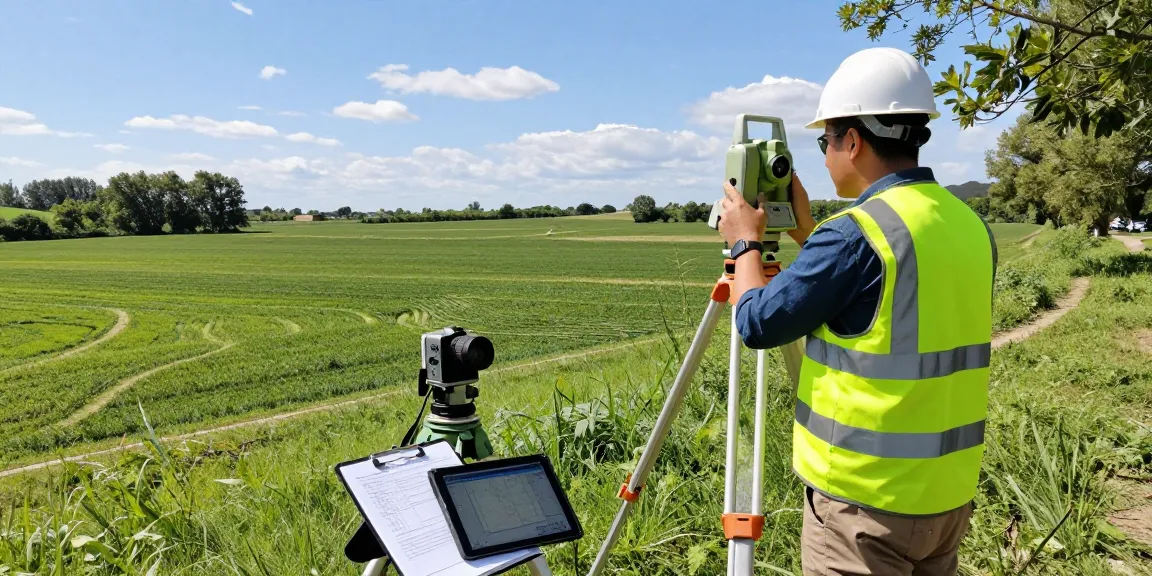

Understanding Measured Building Surveys in Surrey
Measured building surveys are essential elements of the construction and planning process, providing crucial information regarding the dimensions and characteristics of existing structures. In Surrey, as in many parts of the UK, these surveys play a significant role in renovations, refurbishments, and new developments. Measured Building Surveys Surrey ensure that architects, contractors, and designers have the accurate data needed for a successful project.
What is a Measured Building Survey?
A measured building survey involves the accurate mapping and documentation of the dimensions of a building, including its layout, elevations, and significant architectural features. It utilises various surveying techniques, including traditional measuring tools and advanced technologies like laser scanning, to create detailed representations of the structure. The output typically includes floor plans, elevation drawings, section drawings, and sometimes 3D models that provide a comprehensive understanding of the building’s spatial relationships.
Key Components of Measured Building Surveys
- Floor Plans: Detailed illustrations showcasing the layout of rooms, corridors, and other spaces.
- Elevations: Diagrams that represent the exterior faces of the building, highlighting windows, doors, and other features.
- Sections: Cut-through views of the building, illustrating the internal structure and relationships between different levels.
- 3D Models: Advanced visualisations that allow for a more interactive understanding of the space and can assist in planning and design developments.
Importance for Planning and Development
The significance of measured building surveys cannot be overstated, particularly in the context of planning applications and construction. They provide the necessary data for assessing structural integrity, facilitating the design of modifications, and ensuring compliance with local regulations. Additionally, accurate surveys can help prevent costly errors during construction and are essential for resolving disputes regarding property boundaries or structural elements.
Choosing the Right Surveyor in Surrey
Selecting a competent surveyor is crucial to ensure the quality and accuracy of the measured building survey. Not all surveyors offer the same level of expertise or service, so it is imperative to conduct thorough research before making a decision.
Credentials and Accreditation to Look For
When hiring a surveyor in Surrey, look for individuals or firms that hold professional accreditations. Membership in recognised organisations such as The Royal Institution of Chartered Surveyors (RICS) or The Survey Association (TSA) indicates a commitment to industry standards and professional ethics. Additionally, check their certification in specific survey techniques that may be required for your project.
Evaluating Experience and Expertise
Experience matters significantly in the surveying industry. Opt for surveyors who have a robust portfolio and a proven track record in conducting measured building surveys specifically within Surrey. Inquire about their familiarity with local regulations and their capability in handling projects similar to yours.
Questions to Ask Potential Surveyors
- What surveying methods do you use, and how do they ensure accuracy?
- Can you provide examples of past projects similar to mine?
- What is your typical turnaround time for delivering survey results?
- How do you address changes or issues that arise during the survey process?
Common Challenges in Measured Building Surveys
While measured building surveys are integral to project success, they can also present various challenges. Understanding these challenges can help clients prepare and mitigate risks effectively.
Understanding Site Limitations and Access Issues
Site limitations, such as restricted access or confined spaces, can hinder the surveying process. Surveyors may need to develop creative strategies to gather accurate data without compromising safety or project timelines. Clients should ensure that the surveyor discusses these factors during the initial consultation.
Addressing Client Misconceptions about Surveys
Clients may sometimes have misconceptions about the depth and detail of a measured building survey. It is vital for surveyors to communicate effectively and set realistic expectations about what the survey will entail, including the types of data collected and the methodologies used.
Dealing with Complex Architectural Features
Buildings with intricate designs or various materials can pose additional challenges during the measuring process. Skilled surveyors are adept at working with these complexities, but clients should understand that this may require additional time and resources.
Best Practices for Conducting Measured Building Surveys
Successful measured building surveys rely on established best practices that enhance accuracy and efficiency, ensuring that client needs are met with precision.
Utilising Advanced Technology and Software
To achieve the highest accuracy, it is essential to leverage modern surveying technology. Tools such as 3D laser scanners and drones can significantly enhance the quality of the data captured, allowing for quicker and more precise surveys. Additionally, advanced software can streamline data processing and visualisation, making it easier for clients to interpret survey results.
Ensuring Accuracy in Measurements
Accuracy is paramount in measured building surveys. Surveyors should implement rigorous checks and balances throughout the surveying process, including repeat measurements and cross-verifications. Using calibrated instruments and maintaining meticulous records will help minimise discrepancies.
Integrating Client Feedback in Survey Processes
Regular communication with clients is crucial during the survey process. This ensures that the surveyors address any specific client requirements and incorporate feedback into the survey outputs. Establishing a clear line of communication allows for real-time adjustments and enhances overall satisfaction with the final product.
Future Trends in Measured Building Surveys
The surveying industry is continually evolving, particularly with advancements in technology and changing market demands. Staying informed about these trends is essential for both clients and surveyors.
Adapting to Technological Innovations in 2026
As we look ahead to 2026, the integration of technologies such as augmented reality (AR) and artificial intelligence (AI) is expected to reshape how measured building surveys are conducted. These innovations can improve project efficiency, enhance accuracy, and provide clients with more interactive experiences during the design phase.
Increasing Importance of Sustainability in Surveys
With a growing emphasis on sustainability in construction, measured building surveys will increasingly focus on assessing eco-friendly practices and materials. Surveyors will need to incorporate green building standards into their evaluations and provide data that supports sustainable design choices.
Predictions for the Surveying Industry Post-2026
Looking beyond 2026, we anticipate that the surveying industry will see further consolidation and collaboration between technology providers and surveyors. This synergy will enhance the depth and breadth of services offered, leading to more comprehensive solutions for clients.
How much should a measured survey cost?
The cost of a measured building survey varies significantly based on factors such as the building’s size, complexity, and location. On average, clients can expect to pay between £600 and £1,500 for a standard survey, with more complex surveys commanding higher fees due to the additional labour and technology involved.
What is a measured building survey?
A measured building survey is an accurate representation of an existing building, detailing its dimensions, layout, and architectural features through various data collection techniques.
How can I get the actual measurements of a building?
To obtain accurate measurements, clients can choose to either undertake a DIY approach using measuring tools or enlist a professional land surveyor who has the expertise and equipment necessary for precise data capture.
How much does it cost for a building surveyor?
The fees for hiring a building surveyor can range widely based on the survey’s complexity and location, typically falling between £630 and £1,500 or more, depending on the property.
What are the benefits of a measured building survey?
Benefits of conducting a measured building survey include obtaining reliable data for renovation and planning, ensuring compliance with local regulations, and enabling informed decision-making regarding structural changes or restorations.