
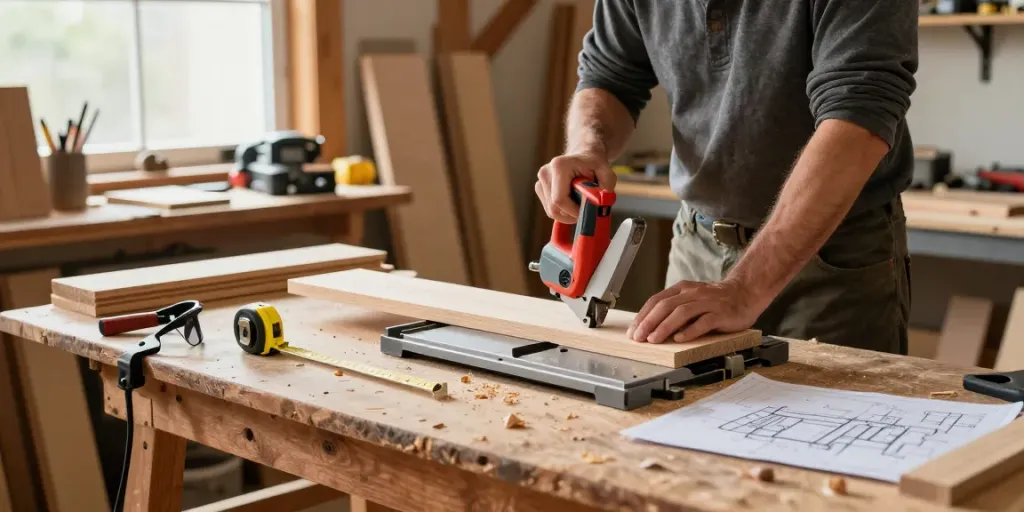
The Essentials of Manual Mitre Saws
Manual mitre saws are indispensable tools in the woodworking realm, renowned for their versatility and precision. Unlike their electric counterparts, these hand-operated devices rely on human effort to achieve precise angled cuts, making them ideal for various applications, from intricate picture framing to larger carpentry projects. With a resurgence in DIY culture and the growing trend of sustainable woodworking practices, knowing the intricacies of manual mitre saws has never been more crucial. Whether you're a seasoned carpenter or a passionate DIY enthusiast, understanding how to effectively select and utilize a manual mitre saw will enhance your craftsmanship.
When exploring options, manual mitre saw provides comprehensive insights into the features and specifications that matter most for your projects.
What is a Manual Mitre Saw?
A manual mitre saw is a handsaw designed specifically for making precise angled cuts on wood. It typically consists of a wide blade mounted in a fixed position that cuts when the user manually moves the saw through the material. These saws are often accompanied by a mitre box, which guides the saw to achieve consistent angles for crosscuts, bevel cuts, and more. The device is favored for its portability, ease of use, and the control it gives to the user over the cutting process.
Key Features to Consider
- Blade Type and Length: Consider the width and length of the blade, as these will affect the depth of cuts and the suitability for different materials.
- Angle Adjustments: Look for saws that allow for easy adjustments to various angles, typically including standard angles like 45°, 30°, and 22.5°.
- Mitre Box Size: Ensure that the size of the mitre box matches your intended projects, as they come in different dimensions for various cutting needs.
- Material Quality: High-quality materials in both the blade and the frame will ensure durability and better performance over time.
Benefits of Using a Manual Mitre Saw
The advantages of using a manual mitre saw extend beyond mere simplicity. These saws offer exceptional precision and control, making them ideal for tasks that require a steady hand. Here are several key benefits:
- Cost-Effective: Manual mitre saws are generally less expensive than powered saws, making them accessible for hobbyists and professionals alike.
- Portability: Without the need for power outlets, these saws can be used almost anywhere, enhancing their appeal for outdoor projects.
- Maintenance: Manual saws are easier to maintain. With fewer mechanical parts, they require less frequent servicing.
- Skill Development: Using a manual saw helps users improve their woodworking skills, as it requires a better understanding of angles and cutting techniques.
Choosing the Right Manual Mitre Saw
Types of Manual Mitre Saws
When venturing into the world of manual mitre saws, understanding the types available can significantly impact your choice. Here are a few common types:
- Traditional Hand Saws: Simple and classic, these saws are ideal for basic cutting tasks.
- Japanese Saws: Known for their pull-cut design, these saws offer precision and ease of use, making them popular among craftsmen.
- Duplex Saws: These feature dual blades, allowing for simultaneous cuts, which can save time on larger projects.
Top Brands and Models for 2026
As of 2026, several brands have established a reputation for producing high-quality manual mitre saws. Notable mentions include:
- Stanley: Known for their reliability, Stanley produces a range of saws suited for both amateurs and professionals.
- Nobex: Renowned for their precision, Nobex saws are often used for more intricate projects where accuracy is key.
- Proxxon: Offers a variety of models that combine portability with professional-grade performance.
Budget Considerations for Home Woodworkers
Budgeting for a manual mitre saw involves more than just the purchase price. While entry-level models can be found for under $50, high-end models may reach $300 or more. Here are some tips for making smart budget choices:
- Assess Your Needs: Determine how often you will use the saw and for what types of projects, as this will guide you in selecting the right model without overspending.
- Consider Long-term Value: Investing in a quality saw that lasts longer and performs better is often more economical than frequently replacing cheaper models.
- Look for Sales: Timing your purchase during sales events can lead to significant savings, so keep an eye on retailers like Mister Worker or during holiday seasons.
Common Mistakes and Misconceptions
Misunderstanding Cutting Angles
One of the most common pitfalls for novice users is misunderstanding the concept of cutting angles. Many believe that they need to perfectly align the saw with the material, but it is essential to account for the blade width in relation to the desired angle. A slight miscalculation can yield uneven cuts, resulting in wasted material and time.
Overlooking Maintenance Needs
Maintenance is a critical aspect that many woodworkers overlook. Manual mitre saws require regular cleaning, blade sharpening, and checking of the mitre box for accurate alignment. Neglecting these procedures can lead to decreased performance and diminished accuracy over time.
The Importance of Proper Setup
Proper setup is key to achieving precision cuts. Ensure your work surface is stable and flat, and confirm that the material is securely clamped in place to avoid any movement during cutting. A solid setup not only enhances safety but also improves the quality of your cuts.
Best Practices for Using a Manual Mitre Saw
Safety Tips for Effective Operation
Operating a manual mitre saw safely is paramount. Here are some essential safety tips:
- Wear Protective Gear: Always wear safety glasses and gloves to protect yourself from any debris.
- Keep Your Hands Clear: Maintain a safe distance from the blade and ensure your fingers are away from the cutting line.
- Inspect the Tool: Before use, check for any damage or wear on the blade and mitre box to ensure optimal performance.
Accuracy Techniques and Tools
To achieve the best results with your manual mitre saw, incorporate the following techniques:
- Use a Square: Utilize a carpenter's square to mark and double-check your cut angles before committing to the saw.
- Practice Consistency: Develop a steady rhythm when cutting, as inconsistent pressure can lead to jagged edges.
- Measure Twice: Always double-check your measurements to reduce errors and improve overall accuracy.
Time-Saving Methods for Woodworking Projects
Efficiency is key in woodworking. Here are some methods to save time while using a manual mitre saw:
- Pre-Cut Materials: When planning multiple cuts, pre-cutting materials can decrease your setup time significantly.
- Create Templates: For repetitive tasks, making templates can ensure precision while speeding up the process.
- Use Clamps: Secure your materials with clamps to free up your hands for more precise cuts and adjustments.
Future Trends in Manual Mitre Saws
Technological Innovations in Hand Tools
As woodworking continues to evolve, manual mitre saws are also experiencing innovations. Manufacturers are increasingly integrating advanced materials and ergonomic designs to enhance user experience. Features such as quick-release blades and adjustable angle guides are becoming more common, making them easier to use and more versatile.
Eco-Friendly Materials and Practices
With growing awareness of environmental issues, there is a rising trend towards sustainable practices in woodworking. Many brands are now focusing on eco-friendly materials for their saws, ensuring they meet the standards of conscientious craftsmen.
Predictions for the Hand Tool Market in 2026
Looking ahead, the hand tool market is expected to see significant growth, especially in the realm of manual tools. As more individuals turn to DIY projects and sustainable woodworking, manufacturers will likely respond with a broader range of products that cater to this audience. Enhanced durability, ergonomic designs, and eco-friendly production methods will likely dominate the landscape.
What is the best hand miter saw?
The best manual mitre saw ultimately depends on your specific needs. For accuracy and reliability, many users recommend brands like Nobex or Stanley, as they combine high-quality manufacturing with user feedback for excellent performance.
Can I turn my circular saw into a mitre saw?
While not directly convertible, there are attachments and jigs available that allow you to use a circular saw for mitre cuts. However, dedicated mitre saws will provide greater precision and ease of use.
What is the best mitre saw for home DIY?
For home DIY enthusiasts, a mid-range manual mitre saw from a reputable brand like Dewalt or Ryobi often offers the best balance of performance, price, and ease of use. Consider features like angle adjustability and blade quality to ensure you make an informed choice.
What is the best inexpensive mitre saw?
For those on a tighter budget, brands like Craftsman offer models that are reliable and affordable. For more information, Mister Worker offers valuable insights. Always check for features that meet your needs, as even budget options can provide quality performance with proper care.